Deadwood Casino Wild West: The Unfiltered Truth About South Dakota's Historic Gambling Town
Deadwood doesn't whisper its history—it slaps you across the face with it. Tucked into the Black Hills of South Dakota, this town has been running a decades-long experiment in blending frontier mythology with modern gambling operations, and the technical reality behind that experiment is far messier than the brochures admit. If you think a historic town in the USA can't double as a legitimate gambling floor, you haven't audited Deadwood's casino infrastructure.

The Historic Town in USA That Never Left Its Wild West Roots
Founded during the 1876 gold rush, Deadwood earned its reputation through lawlessness, sharp operators, and characters who understood that money moves fastest in unregulated spaces. That DNA never fully left. Today, roughly 80 licensed gaming establishments operate in a town with a permanent population under 1,300—an absurd ratio that tells you everything about what this place is actually built for. The Deadwood Casino Wild West identity isn't marketing fluff; it's a structural feature. Casino operators aren't just selling slots—they're selling proximity to a historic town in the USA where gambling was culturally normalized long before regulators caught up. The licensing cycle, property density, and visitor throughput all trace back to that frontier-era operational logic.
Where Deadwood Casino Wild West Operations Meet Modern Gaming Hardware
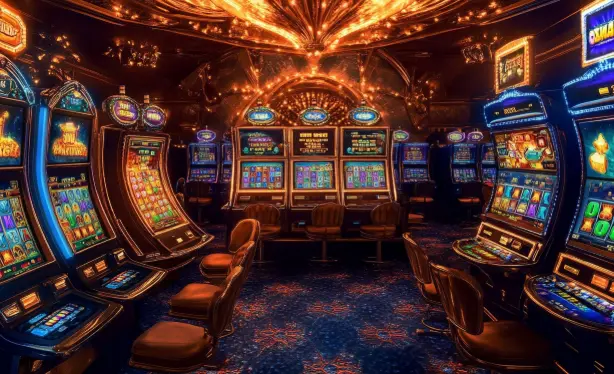
Here's where it gets technically interesting. Deadwood's gaming floor isn't a monolith—it's a patchwork of independent operators running different hardware generations under the same regulatory umbrella. You'll find properties running legacy slot cabinets with firmware that hasn't seen a meaningful update in years sitting three blocks from rooms wired with networked progressive systems. The Deadwood Casino Wild West operator community has historically leaned on volume-based revenue models rather than precision RNG auditing, which creates a specific kind of exposure: payout variance across machines in the same town can diverge more than players expect. Coin-in tracking, meter reconciliation, and slot floor optimization in this town operate on tighter margins than regional averages because the customer base is heavily tourist-driven with cyclical seasonal traffic. That seasonality forces operators into aggressive promotional mechanics that directly influence machine hold percentages—a detail most visitors never consider when they drop a bet.

Regulatory Mechanics and the South Dakota Gaming Control Structure
South Dakota's gaming control framework for Deadwood is a single-commission structure with tight geographic restrictions and a $2 to $100 bet limit spread across mechanical, electronic, and table gaming. That low table maximum isn't a bug—it's a deliberate architectural constraint designed to keep the historic town in the USA from becoming a regional gambling mecca. For operators, this means floor efficiency matters more than high-limit performance. For anyone auditing the system, the real insight is that Deadwood's gaming revenue model depends on repeat visitor volume rather than high-value player extraction. The town processes its gaming permits through a rigid cap system that effectively freezes the number of licensed properties, which explains why casino floor space gets repurposed constantly rather than expanded. Hardware upgrades happen in place, not through new construction—a detail that matters when you're evaluating equipment age and audit trails across the town's gambling infrastructure.
What the Deadwood Casino Wild West Model Actually Exposes
Strip away the saloon facades and you find a gambling ecosystem running on constrained infrastructure, aging hardware, and a licensing structure that rewards incumbents over innovation. The Deadwood Casino Wild West brand works precisely because the town's operators never modernized their own mythology—they just wired it for coin slots. For anyone tracking how a historic town in the USA maintains gaming relevance against larger regional markets, Deadwood's answer is brute-force density and cultural nostalgia over technical sophistication. The floor hold percentages on legacy cabinets in this town still run on firmware architectures that predate networked audit standards now common in larger jurisdictions, and that gap is the real story buried under the gold rush signage.