
Blackjack Card Counting Practice – Where Can You Learn?
Mastering blackjack card counting practice is not a parlor trick; it is a rigorous cognitive discipline rooted in probability theory and memory retention. 🧠 The fundamental objective is to track the ratio of high-value cards (10s and Aces) to low-value cards (2 through 6) remaining in the undealt shoe. This mathematical edge, often quantified through systems like Hi-Lo, KO, or Omega II, transforms a game of chance into a calculated investment. Without structured repetition, even the most theoretically sound system collapses under the psychological pressure of a live casino environment.
Academic and Professional Training Grounds
Where does one formally acquire this skill set? While no accredited university offers a degree in advantage play, several legitimate institutions and private academies provide structured curricula. The Blackjack Institute, founded by MIT Blackjack Team alumni, offers intensive bootcamps that blend classroom instruction with live-fire drills. These programs emphasize card counting practice under simulated conditions, including dealer distractions, pit boss scrutiny, and varying table limits. Alternatively, community college continuing education departments in gaming hubs like Las Vegas and Atlantic City occasionally host non-credit workshops led by former professional players. 🎓
Digital Simulation Platforms and Software
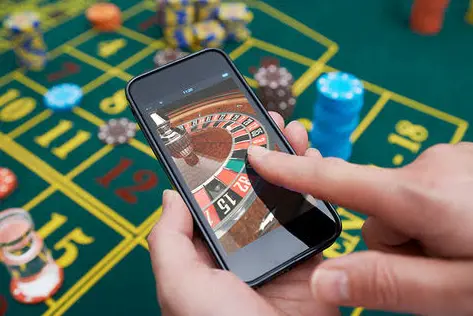
The most accessible training grounds are digital. Applications such as Blackjack Apprenticeship, CVBJ (Casino Verite Blackjack), and Advantage Blackjack offer customizable drills. These platforms allow practitioners to adjust deck penetration, betting spreads, and dealer speeds. Crucially, they provide real-time feedback on running count accuracy and true count conversion errors. For advanced practitioners, software like Norm Wattenberger's Casino Verite replicates exact casino conditions, including shuffle tracking modules and team play coordination. Consistent interaction with these tools builds the muscle memory required for flawless execution.

Live Casino Immersion and Table Time
Theory crumbles without application. Serious learners must transition to live tables, initially betting the table minimum while maintaining a perfect count. This phase, often called "scouting," trains the brain to filter ambient noise, cocktail waitress interruptions, and dealer chatter. Practitioners should target low-limit tables on off-peak hours to minimize heat. Recording sessions via mental replay or discreet notation allows for post-session error analysis. The goal is to achieve a 99.5% counting accuracy rate before scaling bet spreads. 🎰
Peer Groups and Mentorship Circles
Isolation breeds stagnation. Joining advantage play forums, private Discord servers, or local meetups connects novices with seasoned counters. Mentorship accelerates learning curves by exposing hidden pitfalls: preferential shuffling, preferential dealing, and biometric surveillance. These communities often share bankroll management strategies and legal updates regarding casino trespass statutes. Engaging in group practice sessions where members alternate roles—dealer, player, observer—refines both counting speed and cover tactics.
Physical and Psychological Conditioning
Card counting is an endurance sport. Sleep deprivation, alcohol, and emotional volatility degrade counting fidelity. Professional training regimens include cardiovascular exercise to maintain cerebral blood flow, meditation for focus under pressure, and strict session time limits. Practitioners must also rehearse cover plays: intentional betting errors or deviation from basic strategy to appear recreational. The most sophisticated learners videotape their practice sessions to audit posture, bet sizing, and chip handling for tells.
Regulatory and Ethical Considerations
While card counting is legal in most jurisdictions, casinos reserve the right to refuse service. Training must therefore include legal literacy: understanding trespass laws, detainment protocols, and asset seizure risks. Ethical practitioners distinguish between counting and cheating devices, which are criminal offenses. Reputable training programs emphasize the difference between advantage play and illegal manipulation, ensuring graduates operate within statutory boundaries.
True proficiency emerges only after thousands of hours of deliberate blackjack card counting practice, blending mathematical precision with psychological resilience. The journey from novice to advantage player is paved with relentless repetition, peer review, and live-table exposure. 🃏